

Small space, big impact — that is the requirement when it comes to POS materials in pharmacies. The reality? Often disillusioning. There are high-quality displays, lovingly designed flyers and well-thought-out campaigns... and no one is looking. Or worse: The whole thing doesn't even end up in the sales room. What is the reason? Too big, too colorful, too irrelevant?
We wanted to know more — and asked various OTC and NEM customers with whom we had already worked in the POS sector. Together, we took a closer look at this, identified trends and identified what really matters so that POS materials achieve the desired effect.
Space is not an excuse — it's reality
In pharmacies, every centimeter counts. If you want to survive there, you need more than just a nice idea. Because: For placement, campaigns must stand out from the crowd and offer added value both for pharmacy teams and customers.
No relevance — no shelf. That is more true than ever. POS materials are successful when they are not only visible but also usable, for example as:
- consulting support,
- Service extension
- or customer loyalty tool.
And they work best when they are planned and implemented together with the pharmacy team.
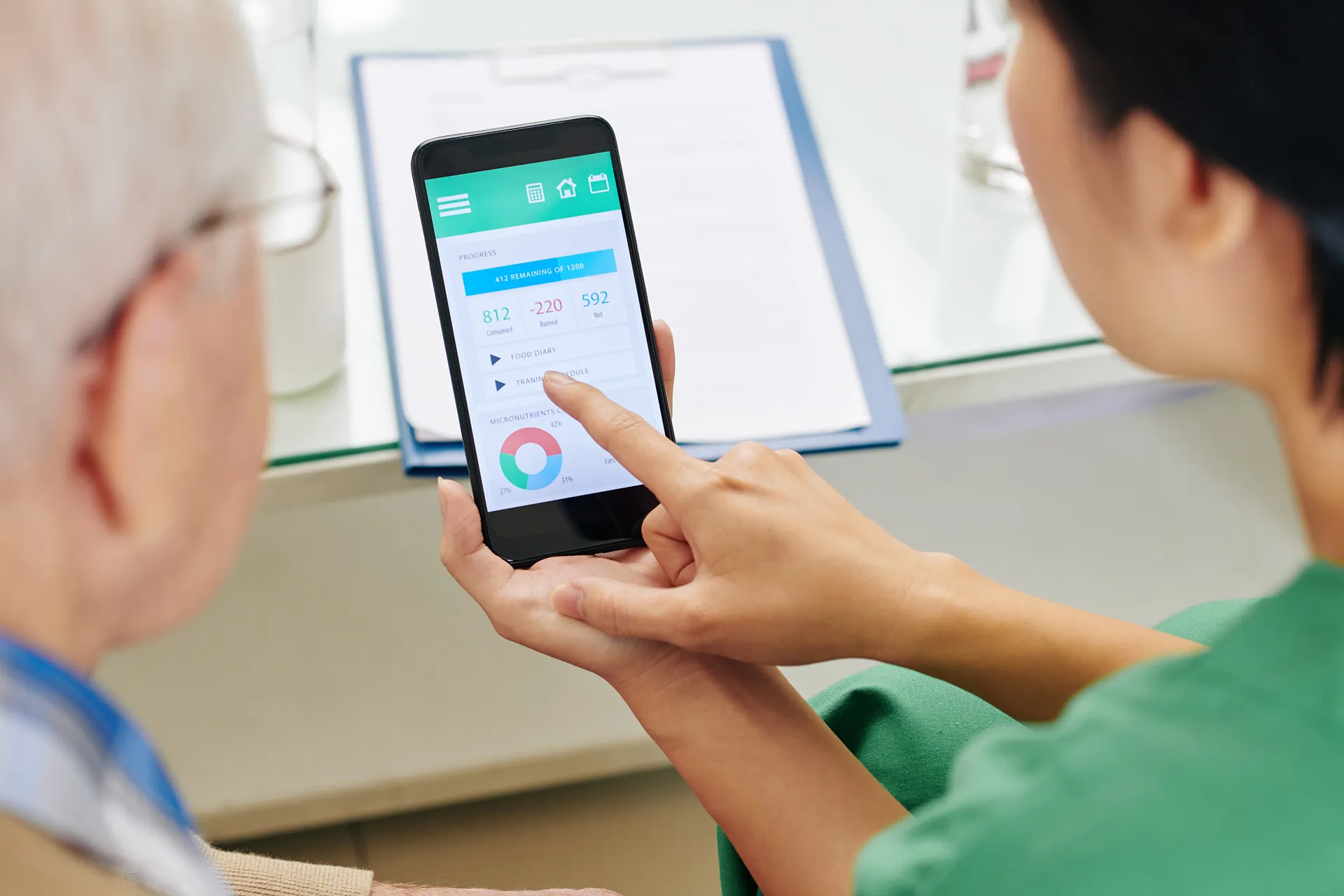
But don't worry: Sometimes smaller measures — such as integrated QR codes on the shelf frame or digital advisory fact sheets — are enough to get pharmacy teams involved, generate attention and create positive shopping experiences for customers.
Clean instead of chaos — new aesthetics at the HV counter
A striking trend: Pharmacies today want to be clearer, more structured and more modern. The principle “less is more” is increasingly replacing the former motto “A lot helps a lot.”
Modular displays, reduced design and digital tools with an integrated consulting function are becoming significantly more relevant. Anyone who continues to rely on classic mechanics without any discernible benefits runs the risk of being sorted out — or not even getting on the floor in the first place.
It is increasingly being observed that pharmacies are no longer overloading their shop windows and sales rooms with classic POS materials, but are designing them in a more targeted way.
Digital signage is on the rise: monitors that are placed in the sales room or in a clearly visible shop window are being used more and more frequently. Soundless APO TV commercials with subtitles or specially prepared moving image assets that contribute to promotion, advice or current campaigns are shown.
Sustainability — lip service or a must-have?
The market shows that sustainability has become a fundamental part of the POS. Recyclable materials, replaceable inserts, or even durable POS systems are increasingly gaining ground.
The trend is clearly moving away from seasonal topics in order to be able to use exhibitors in the long term.
Here, sustainability does not mean short-term symbolism, but a strategy for the long term: efficient, resource-saving — and with demonstrable benefits.
Pharmacy staff? Please think along and take it with you!
An often underestimated factor for POS success: the team behind the HV table. In addition to the lack of space in the local pharmacy, the motivation of employees and the associated use of materials is also decisive.
What helps? Actions that are not only placed, but also lived. Whether it's competitions, collective passes or theme weeks — the POS has the strongest effect when it appeals to both customers and pharmacy teams. Consulting tools, small incentives or digital training courses make the difference — because they create trust and enable participation.
conclusion
POS in pharmacies is never a matter of course — but it is also not an phase-out model. Anyone who knows the challenges and takes them seriously can still make a big impact. Our OTC projects show that these three things in particular are needed:
- relevancy
- deference
- realism
And a clear stance on the industry: Stop pure visibility — this is about tangible added value.