.webp)

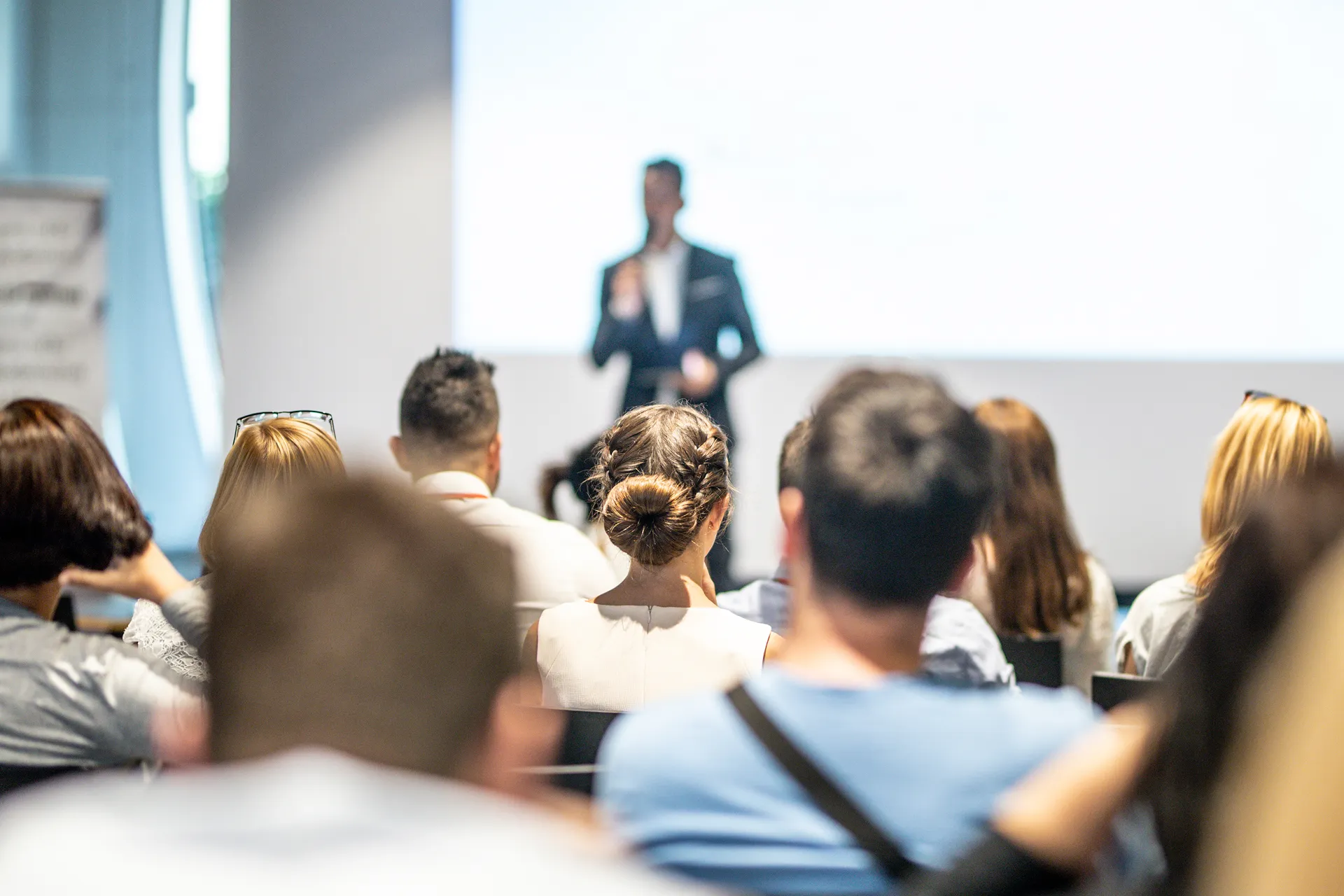
Even in school days, the frontal presentation model was considered outdated, static, one-sided and inefficient. Nevertheless, despite studies on attention spans and learning types to the contrary, this form of knowledge and information transfer is still being used too often. But what does this part of a sick school system have to do with the theme of events? It's simple: In addition to sustainable transfer of knowledge, this is also about social networking, similar to break time in the schoolyard. Only when the combination of lessons, breaks and, at best, lunch works optimally, can participants go home satisfied and with a satisfied thirst for knowledge. Ideally, these processes should be seamlessly interlinked and tailored to the needs of knowledge acquirers.
Small steps on new paths
The events sector recognized this even before the corona pandemic and took measures to make events more attractive without neglecting their informative nature. Press conferences were no longer based solely on presentations and subsequent Q&A sessions. Event character became an essential part: television studios and presentation appointments were booked, holograms were used, and international experts were added to the multimedia. Streaming and talk show formats gained popularity. This was often accompanied by a stage design that was appropriate in color or theme, and the event was recorded exclusively for all those prevented. Corona has undoubtedly served as a catalyst for new ideas in the event sector — a positive aspect of the pandemic, after all.
Special circumstances — special solutions
During the Corona pandemic, presence turned into online, and it turned out that this worked more smoothly than expected with the right systems. Surprisingly, the costs for the new solutions were within limits. Only planning required a certain amount of flexibility, similar to the entire phase of the pandemic. Time management was also redefined, as due to the experts and the interested specialist audience, they were suddenly able to virtually be in many different locations in one day and dedicate themselves to a wide range of topics. This led to shorter and more focused events, where participants had to show discipline when it came to small talk and discussions. And who doesn't remember the popular salutation “They're still on mute” or the obligatory cat on the keyboard, which lightened up many events and gave them a personal touch.
Different — convenient — efficient
After the pandemic, it became clear that a lot of life had been saved from time to new life adapted from everyday living habits. The pandemic meant that personal contacts were valued again; but at the same time time time at home remained a focus of work and leisure activities. Accurate and efficient content could be quickly conveyed, consumed and, in the case of many editorial offices, processed promptly. This resulted in a permanent shift between large physical and virtual space for modern users of knowledge and news. Trade fairs, specialist audiences and scientific conferences, which would previously have been unthinkable in practice or clinic operations, became digitally accessible. This new option had to be retained, and hybrid events became significantly more important.
Everything can, nothing must
Today, we are in an event landscape where hybrid offerings are standard, also in terms of sustainability. Travel is no longer absolutely necessary, as carefully prepared content is permanently available. The way of thinking has changed: “If I already make the effort and travel to an event for a few days, then it should also be worthwhile for me.” The participants not only want added content, but also entertainment. Was the location impressive and surprising? Were you able to give your own impulses and get actively involved? Were the discussions during breaks valuable and did the participants get ahead?
Set highlights — create memories
One thing is certain: At events, it is always important to ensure special experiences — whether in terms of the content aspect or as part of the accompanying program. This has always been a decisive factor and remains of ongoing importance. Despite the seriousness of the topics covered, remember an interactive stand with gamification elements in the entrance area or an active break with a thematically coordinated flying buffet. Successful event planning allows participants to embark on an intellectual journey with it even before the actual event, whether through social media activities or appealing invitations. Our schooling, as our first major event in life, could benefit from this approach: “Lessons — playground — networking” — a sequence that ideally interlinks and is tailored to the needs of those acquiring knowledge. In any case, food for thought.